
Ophthalmology
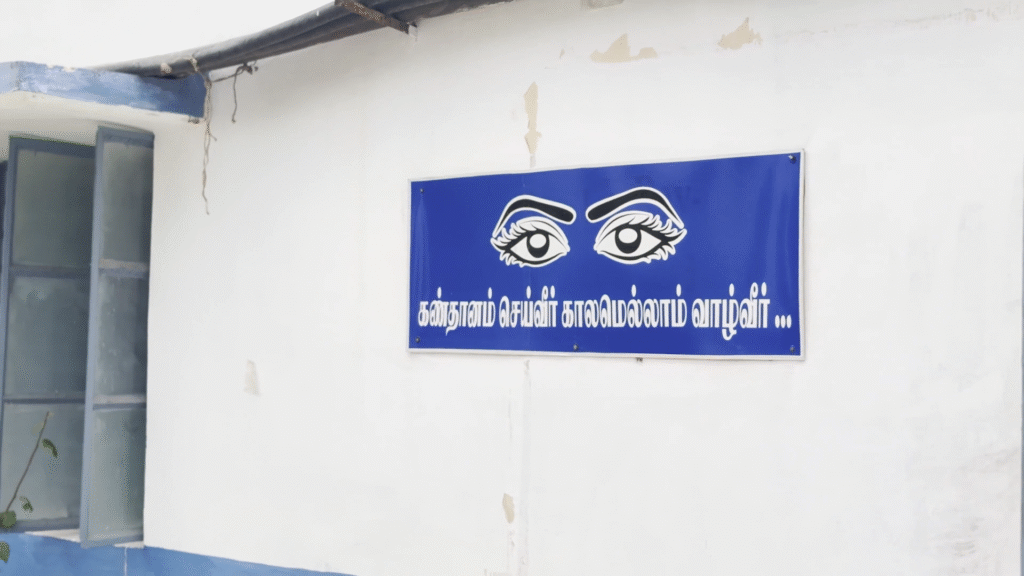
THE DEPARTMENT OF OPHTHALMOLOGY
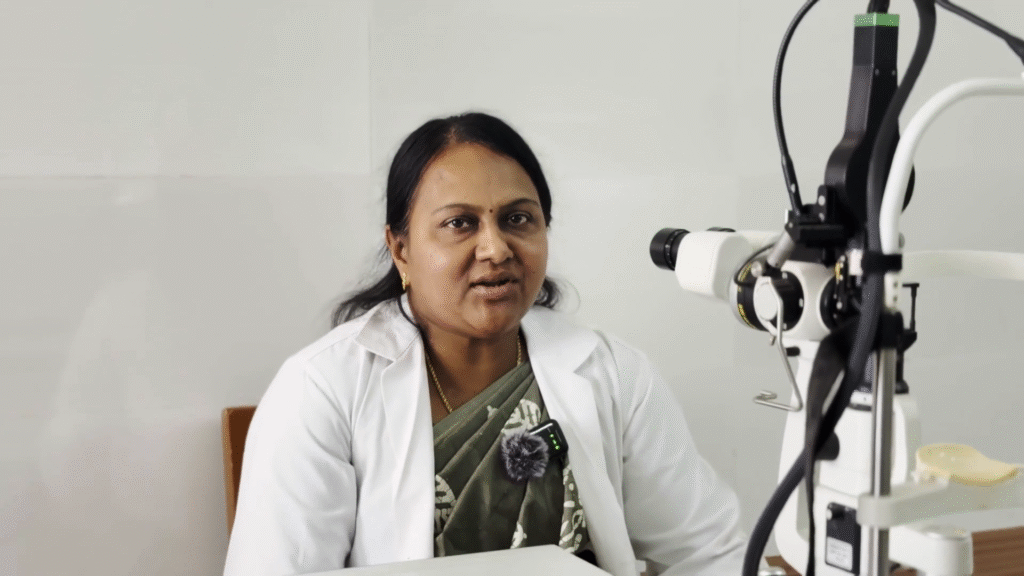
The Department of Ophthalmology started functioning from 2000 with 100 UG students and upgraded to 150 UG from 2013. Presently there are 5 faculty comprising 1 Professor, 1 Associate Professor and 1 Assistant Professor and 2 SR.
Our vision:
Our triple goal is to provide comprehensive, high-quality, and state-of-the-art eye care, structured training for undergraduates and carrying out clinical research.
Facilities available
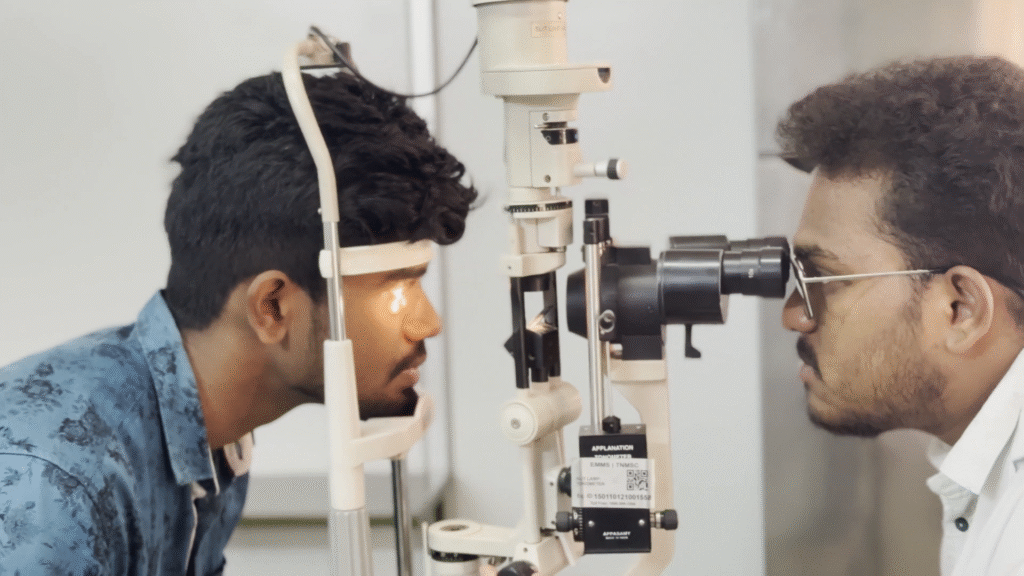
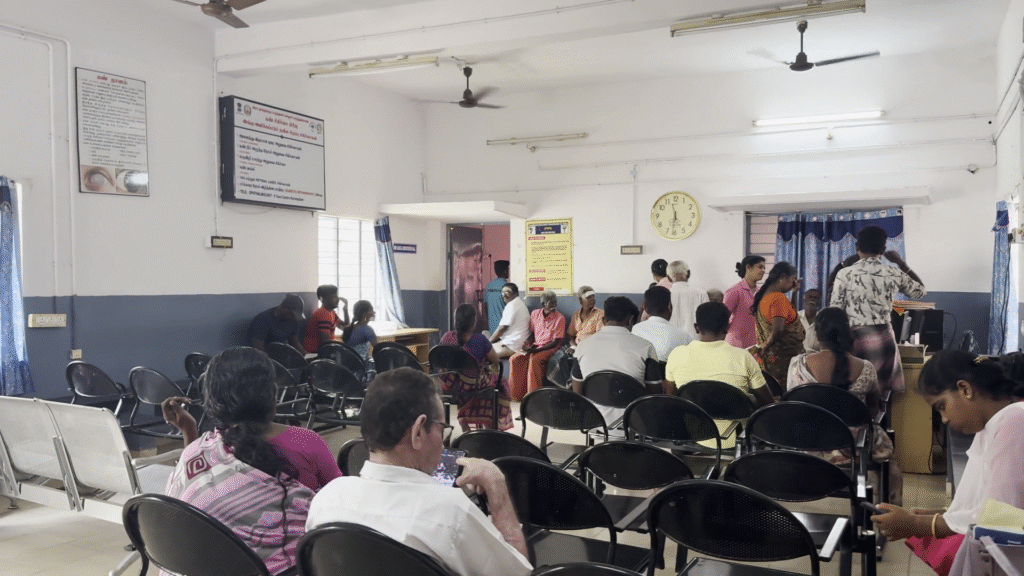
The outpatient department functions on all days of the week along with specialty clinics designated on specific days except on Sundays. An average of 100 patients are seen per day in the OPD. Consultants are available round the clock to cater to emergencies. Modern equipment with cutting-edge technology such as slit lamps biomicroscopes, automated perimetry, imaging technologies such as mydriatic and non-mydriatic fundus cameras, Ultrasound A scan and Anterior scanning imaging help in providing high quality patient care.
The Ophthalmology operation theatre has 3 OT tables with high end Zeiss operating microscopes and state-of-the-art equipments which help doctors in training and faculty to perform surgeries with precision and ease. Annually about 1200 major and 700 minor surgical procedures are performed. Among the surgeries performed intraocular surgeries include cataract surgery such as advanced Phacoemulsification, manual small incision and conventional ECCE, glaucoma surgery such as, Trabeculectomy, and retinal surgeries such asscleral buckling and corneal surgeries such as keratoplasties. The extraocular surgeries include oculoplasty, and orbital surgeries.
The laser room houses various types of lasers such as Nd YAG, Green (double frequency YAG) (532 nm) laser, for retinal photocoagulation for retinovascular disorders including diabetic retinopathy, retinopathy of prematurity and trans-scleral cyclophotocoagulation. Nd YAG laser is used for iridotomies, capsulotomies.
The eye bank is recognized by the Government of TamilNadu under Human Organ Transplant Act 1994The HCRP (Hospital Corneal Retrieval Programme) for procurement of eyes from donors is very active and on an average 270eyes are collected annually. We have a dedicated grief counsellor for this. All records related to this programme are well maintained. It has successfully carried out several corneal transplant surgeries over the years and continues the good work providing vision to the corneal blind.
The outreach programmes and screening camps help to screen patients for potentially blinding ocular diseases like diabetic retinopathy, glaucoma and macular degenerations with the help of non-mydriatic fundus camera, non-contact tonometer, and slit lamp biomicroscopy and indirect ophthalmoscopy which are transported to the field.
Tele V-care centre with non-mydriatic fundus camera available in Karungulam, Thoothukudi
Department of Ophthalmology at Government medical college, Thoothukudi – Hospital Report
The Department of Ophthalmology here at Thoothukudi medical college continues to uphold its reputation for meticulous, patient-centered care, delivering a comprehensive range of services that address both routine and complex eye conditions. Outpatient consultations are conducted systematically, with a focus on accurate clinical evaluation, patient education, and timely follow-up. The department maintains robust diagnostic support through a spectrum of ophthalmic investigations, enabling precise diagnosis and tailored treatment planning.
In addition to routine care, the department is equipped to perform a wide array of specialized procedures. Advanced interventions such as laser therapy and cryotherapy are carried out with precision, ensuring effective management of retinal and other ocular pathologies. Surgical expertise within the department spans critical and intricate domains, including congenital cataract correction, cataract surgeries by phacoemulsification technique, sulcus-fixated intraocular lens (IOL) implantation, corneal transplantation, and comprehensive management of ocular trauma, notably firecracker-related injuries. The team also demonstrates significant proficiency in oculoplastic procedures, such as ectropion correction, thereby extending care to functional and reconstructive needs.
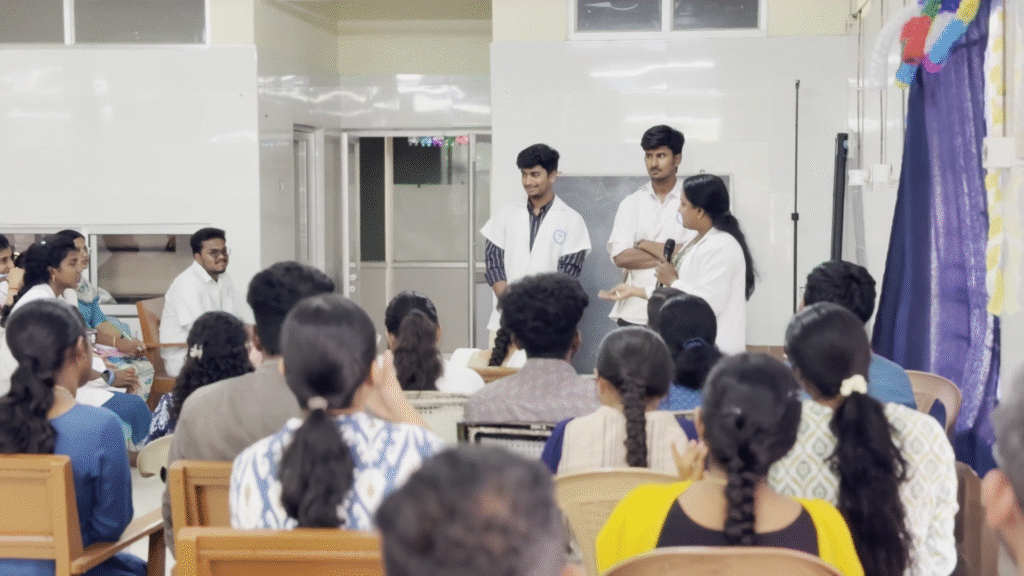
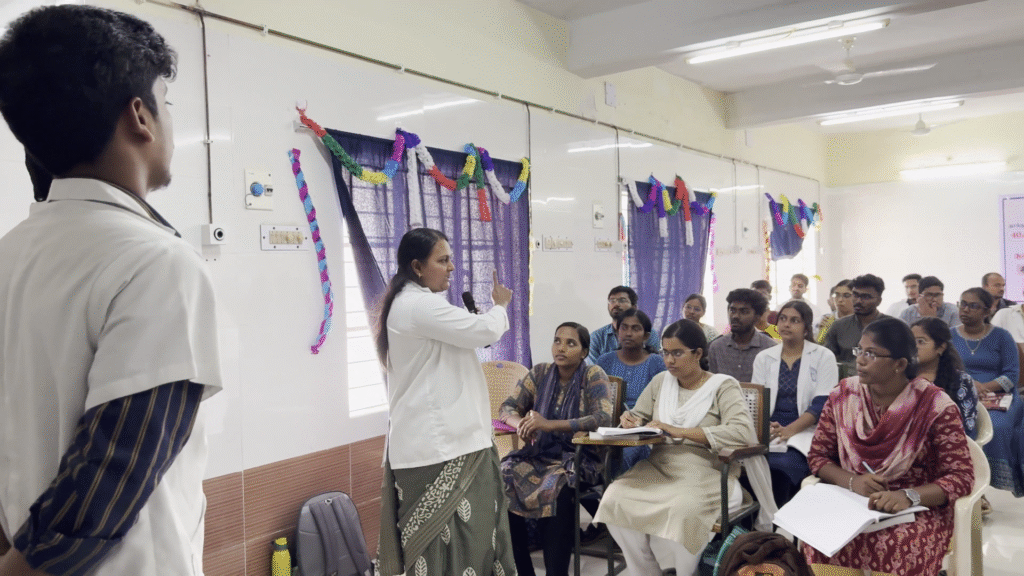
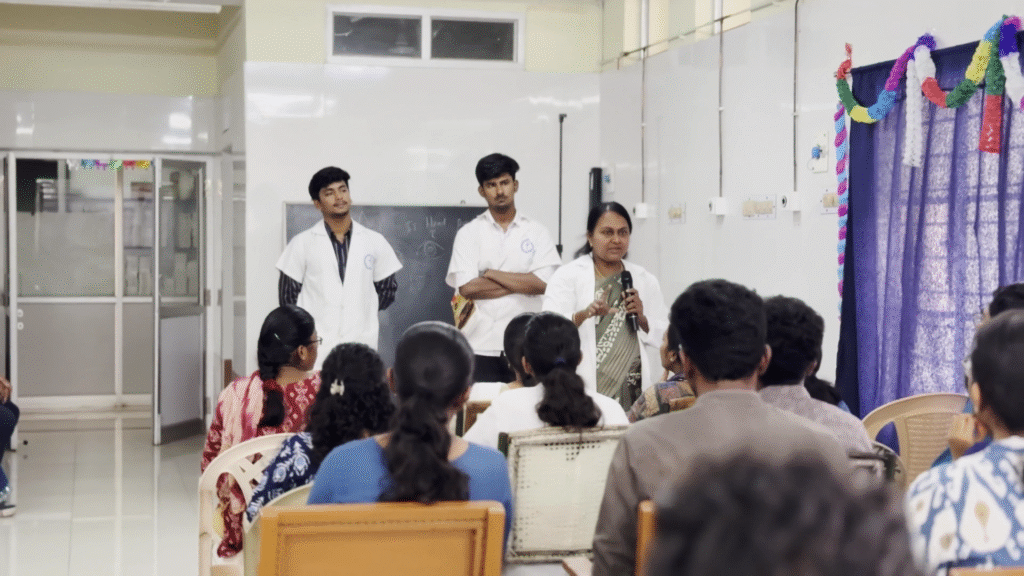
The department also plays an active academic role in the institution. Faculty members are regularly engaged in teaching undergraduate medical students and providing ophthalmology-related clinical training to postgraduate students from other departments. This interdepartmental teaching ensures a strong foundation in ocular care across multiple specialties, thereby enhancing the quality of patient care throughout the hospital.
Beyond clinical and academic responsibilities, the department actively participates in community outreach and public health awareness. Observances such as Eye Donation Fortnight, World Sight Day, and Glaucoma Day are commemorated with patient education sessions, awareness programs, and public rallies. These initiatives not only spread awareness but also foster active participation from patients, caregivers, and the community in preventive eye care and organ donation.
Despite operating with only three dedicated faculty members and without the support of postgraduate residents, the department sustains an impressive level of clinical service. Through streamlined coordination, disciplined workflow, and unwavering commitment, it consistently contributes a substantial share to the hospital’s overall clinical workload.
The Department of Ophthalmology acknowledges the challenges inherent in limited staffing and resources but continues to meet them with resilience and professionalism. Its enduring focus on quality, accessibility, and innovation ensures that patients receive the highest standards of ophthalmic care, affirming the department’s vital role within the institution’s healthcare delivery system.
Equipment available in the department
- Surgical Operating Microscope – Carl Zeiss
- Surgical Operating Microscope – Takaci
- Surgical Operating Microscope- Topcon
- Phacoemulsification Units – 2 in number
- Digital Fundus Camera with Fundus Fluorescein Angiogram facility
- Hand held fundus camera
- Ultrasound A scan
- Nd YAG laser
- Green laser
- Automated perimetry
- Autorefractometer – 2 in number, manual keratometer
- Slitlamps – 4 in number
- Tonometers-Goldman applanation, Schiotz tonometer
- Anterior segment imaging with slit lamp