
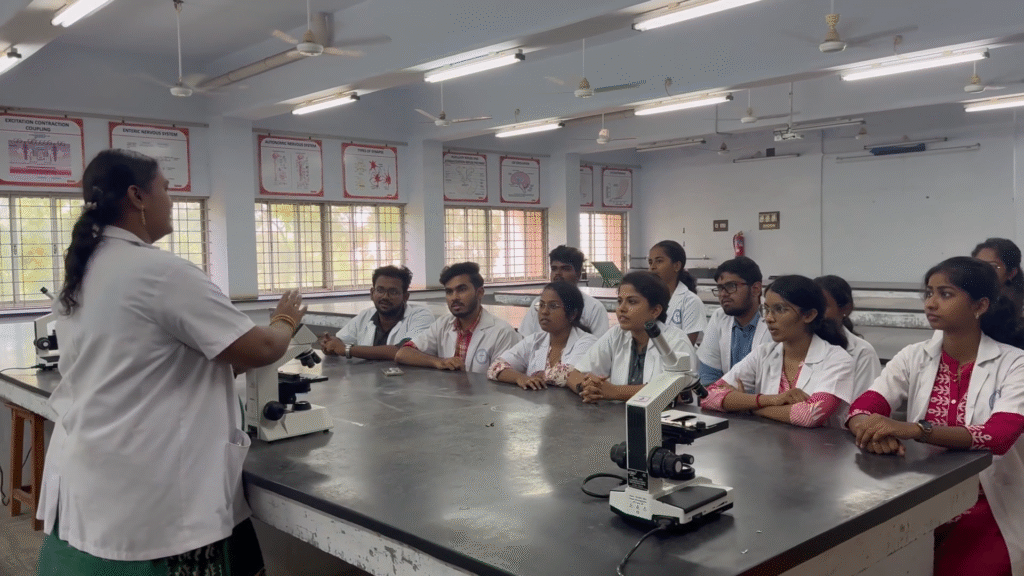
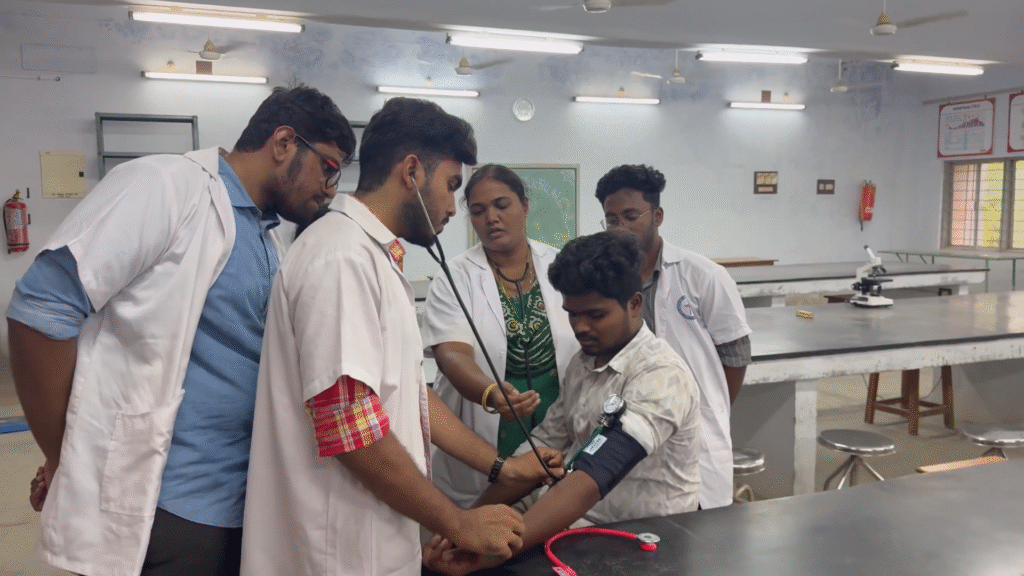
The Department of Physiology was established in 2000. Adequate qualified Teaching and Non-Teaching faculty are available here. This department is an undergraduate teaching department with well structured Graduate Programs. The first MBBS students have early clinical exposure and they participate in many social activities in and around the district. We also have regular teaching schedules to teach Basic Physiology to Post Graduates (Medicine/Surgery/Pediatrics/OG/Anesthesia Post graduates) as well as Para-Medical students (B.Sc.OT&At, B.Sc.MLT and B.Sc RT).
UG Teaching schedules include General Physiology, Systemic Physiology & Specialized Integrative Physiology, Hematology Experiments, Human Experiments & Clinical Examinations. All Teaching Programs are supported with informative Audio Visual aids, interactive discussions, small group discussions and tutorials. We have regular computer assisted learning sessions. The Departmental library has sufficient books and journals of various disciplines which enhances reading skill of young doctors and keeps them updated.
Labs like Amphibian Lab, Mammalian Lab and Research Lab exist here. Research activities are promoted among UG students and faculty. Periodical Departmental and Integrated Seminars, Guest lectures by clinical faculty as a means of vertical integrative learning, Quiz Programs are being conducted and our students are motivated to attend many inter college competitive programs.
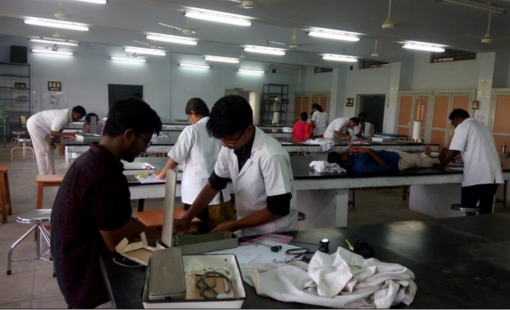
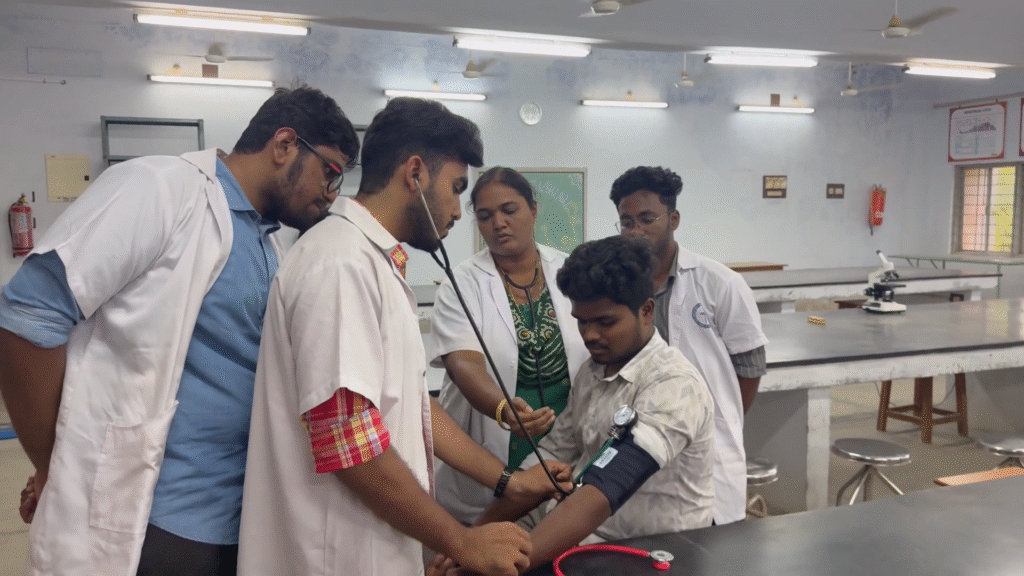
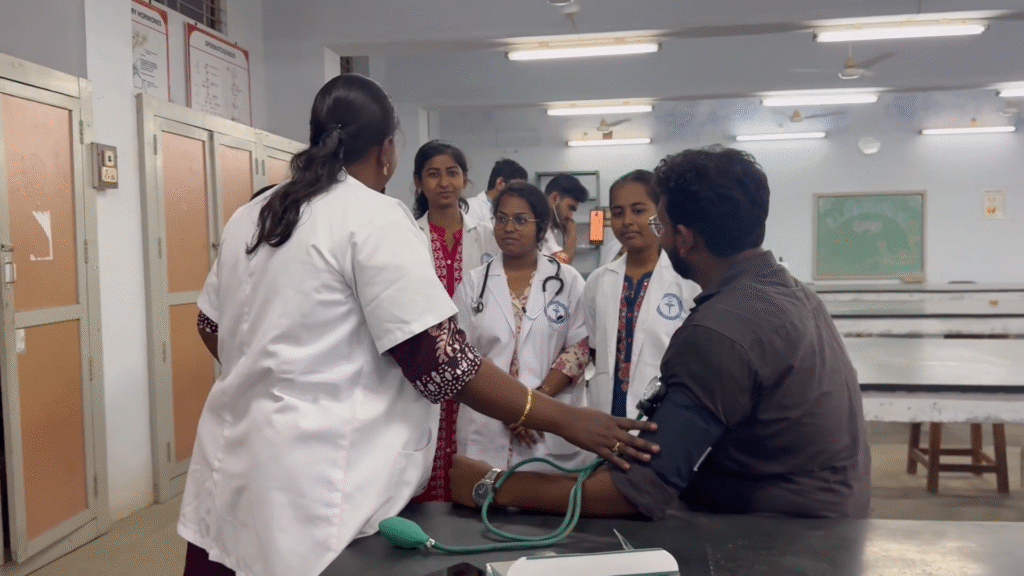
Students learning clinical examination skills in our lab
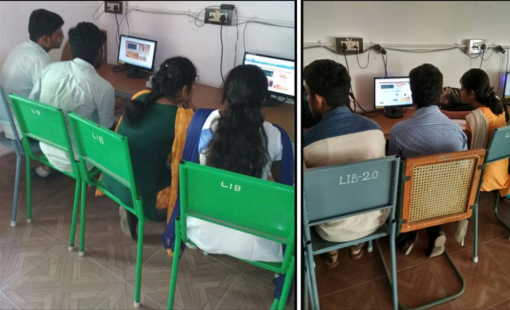
Students involved in Computer assisted learning and acquiring skill and knowledge through simulated experiments
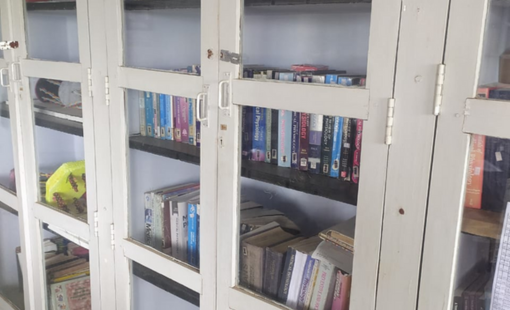
Department Library
Publications
| S.No. | Faculty Name | Publication (Vancouver style) | Pubmed Indexed | Scopus | Embase | Index Copernicus |
|---|---|---|---|---|---|---|
| 1 | Dr. A. Jeya Jancy Selvi Ratnam | SelviRatnam AJJ, Anandan H. Effect of sleep on declarative memory following associative interference in adolescents. IOSR J Dent Med Sci. 2016;15(1):32–35 | - | - | - | yes |
| Ratnam AJJS. Effect of smoking on auditory acuity in middle-aged men of South Tamil Nadu. IOSR J Dent Med Sci. 2016;15(2):40–43 | - | - | - | yes | ||
| Ratnam AJJS. Study to evaluate the effect of hypertension on lung function parameters in South Indian population. Paripex Indian J Res. 2016;5(2):10–11 | - | - | - | yes | ||
| Ratnam AJJS, Kannan HK. Evaluation of haematological, hepatic, and renal function of auto drivers in Tirunelveli city, Tamil Nadu, India. IOSR J Pharm Biol Sci. 2017;12(1):6–9 | - | - | - | yes | ||
| Ratnam AJJS. The digital age brain: The impact of reading on screen on learning. Paripex Indian J Res. 2018;7(3):1–3 | - | - | - | yes | ||
| 2 | Dr. Rowena Victor | ShanmugaPriya P, Victor R, Kanchana K, Priyadarshini R. Frequency domain analysis of heart rate variability between premenopausal and postmenopausal known diabetics – a comparative study. Int J Adv Res. 2017 Mar;5(3):247–50 | - | - | - | yes |
| Victor R, Shanmugapriya P. Orthodromic sensory study in nervus medianus of hypothyroid subjects. Paripex Indian J Res. 2017 Apr;6(4):33–5 | - | - | - | yes | ||
| Sivakumar N, Victor R, Selvarani C. Auditory thresholds in chronic alcoholic subjects – a cross-sectional study. Paripex Indian J Res. 2017 Jun;6(6):20–2 | - | - | - | yes | ||
| Victor R, Sivakumar N, Selvarani C. Evaluation of motor component of median nerva conduction in hypothyroid subjects. A case control study. Paripex Indian J Res. 2017 Aug;6(8):77-8 | - | - | - | yes | ||
| Shabina B, Victor R, Viji Devanand. Assessment of auditory evoked potential in type 2 diabetes mellitus individuals – a case-control study. Paripex Indian J Res. 2018 Feb;7(2):48–9 | - | - | - | yes | ||
| Rubha S, Rowena Victor. Assessment of central and peripheral neuropathy in children with protein energy malnutrition. Int J Anat Physiol Biochem. 2018 Nov;5(11):1–4 | - | - | - | yes | ||
| 3 | Dr. P. Prabhakar | Rajajeyakumar M, Sravani Chitturi, Prabhakar P, Kavaivani G. Impact of breath-holding on generalized anxiety disorder and sinus arrhythmias in adults, Port Blair, South Andaman. Korean J Physiol Pharmacol. 2023;27(2):184–92 | - | - | - | yes |
| 4 | Dr. S. Rubha | Rubha S, Vinodha R. Effects of protein energy malnutrition on auditory evoked potential responses in children. Int J Curr Res. 2015;7(5):16208–11 | - | - | - | yes |
| Rubha S, Vinodha R. Effects of protein energy malnutrition on peripheral nerve conduction in children. Int J Med Res Health Sci. 2015;4(4):768–770 | - | - | - | yes | ||
| Rubha S, Rowena Victor. Assessment of central and peripheral neuropathy in children with protein energy malnutrition. Int J Anat Physiol Biochem. 2018;5(11):768–770 | - | - | - | yes | ||
| Rubha S, Shabina B, Rowena Victor. A comparative study of sensory and motor components of median nerve conduction in hypothyroid subjects. Paripex Indian J Res. 2018;7(5) | - | - | - | yes | ||
| 5 | Dr. Aleema Banu | Banu SA, Marshnil RW, Duraisingh V. Diagnostic role of serum ferritin in patients with hypothyroidism and its association with thyroid hormone levels. Int J Pharm Clin Res. 2024;16(10):465–71 | - | - | yes | - |
| Marshnil RW, Banu SA, Ganesh G. Evaluation of MDRD, CKD‑EPI and Cockroft‑Gault equations as a measure of glomerular filtration rate in detection of chronic kidney disease in patients with type‑2 diabetes. Int J Curr Pharm Rev Res. 2025;17(7):973–980 | - | - | yes | - | ||
| 6 | Dr. Pillai Karthik Piramanayagam | Pillai Karthik Piramanayagam, Thenmozhi R. A comparative study of motor nerve conduction velocities in chronic alcoholics and non-alcoholics. Int J Contemp Med Res. 2016 Oct;3(10):3124–3127 | - | - | - | yes |
| Pillai Karthik Piramanayagam, Thenmozhi R. A study of sensory nerve conduction and reaction time between the chronic alcoholics and non-alcoholics. Int J Contemp Med Res. 2016 Oct;3(10):3128–3131 | - | - | - | yes | ||
| 7 | Dr. W. Jesi | Charles J, Nedumaran L, Raman S, Vinod E, Rajasegaran R, Vadivel K, Bhaskar A, Subramani S. Rhythm generating mechanisms in rat sinoatrial node – current medical issues. Current Medical Issues. 2024;2:72–76 | - | - | - | yes |
| Kachroo U, Vinod E, Balasubramanian S, Jesi W, Prince N. Red cell indexes made easy using an interactive animation: do students and their scores concur? AdvPhysiol Educ. 2018;42(1):50–55 | yes | Yes | - | - | ||
| Jesi W, Dhanalakshmi V, Padmavathi T, RajavelMurugan P. Using papaya as a simulation based training tool to develop competency in IUCD insertion & removal in interns: perspective of teachers and students. Panacea J Med Sci. 2023;13(2):357–61 | - | - | - | - | ||
| Jesi W, Sherry Jenilin G. A pre-lecture assignment in the form of PowerPoint presentation by students: a novel approach to enhance active learning in physiology. Res J Pharm Biol Chem Sci. 2024 Jan-Feb;15(1):290 | - | - | - | yes | ||
| Jesi W, Sherry Jenilin G. Evaluating the effect of clothing on peak expiratory flow rate in healthy south Indian females. Int J Acad Med Pharm. 2024;6(2):169–172 | - | - | yes |
STAFF PATTERN (AS PER MCI NORMS FOR 150 MBBS students)
Teaching Staff :
Sl.No. |
Designation |
MCI norms |
Name |
|---|---|---|---|
| 1 | Professor | 1 | Dr. A. JeyaJancySelviRathnam M.D. |
| 2 | Assoc. Professor | 1 | Dr. Rowena Victor M.D. |
| 3 | Assistant Professor | 2 | Dr. S. Rubha M.D. |
| Dr. P.Prabhakar M.D. | |||
| 4 | Senior Resident | 1 | Dr.Pillai Karthik Piramanayagam M.D. |
| 5 | Tutor | 2 | Dr.Aleema Banu M.D. |
| Dr.W.Jesi M.D. | |||
| Non Teaching Staff: | |||
| Technicians | Mrs. A. Anzakovaq | ||
| Mrs. V.Sudar vadivu | |||
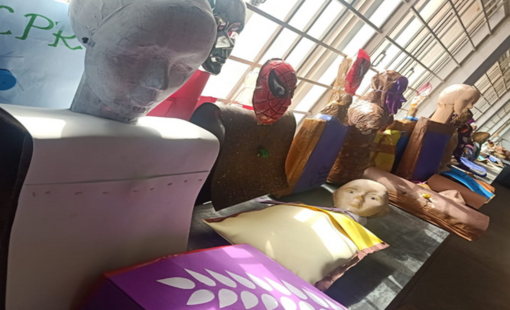
Innovative BLS mannequins crafted by our students.
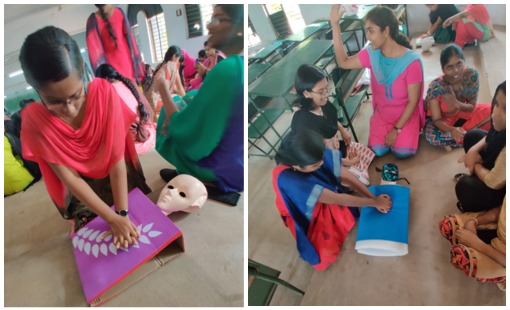
Students build mannequins and practice BLS skills.
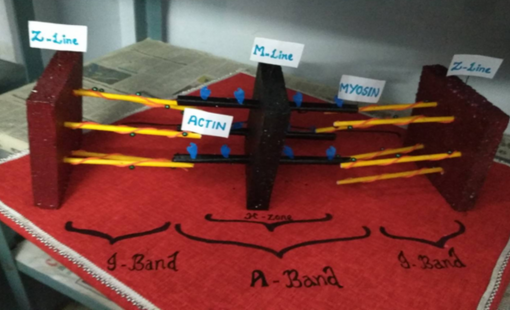
Sarcomere models made by students
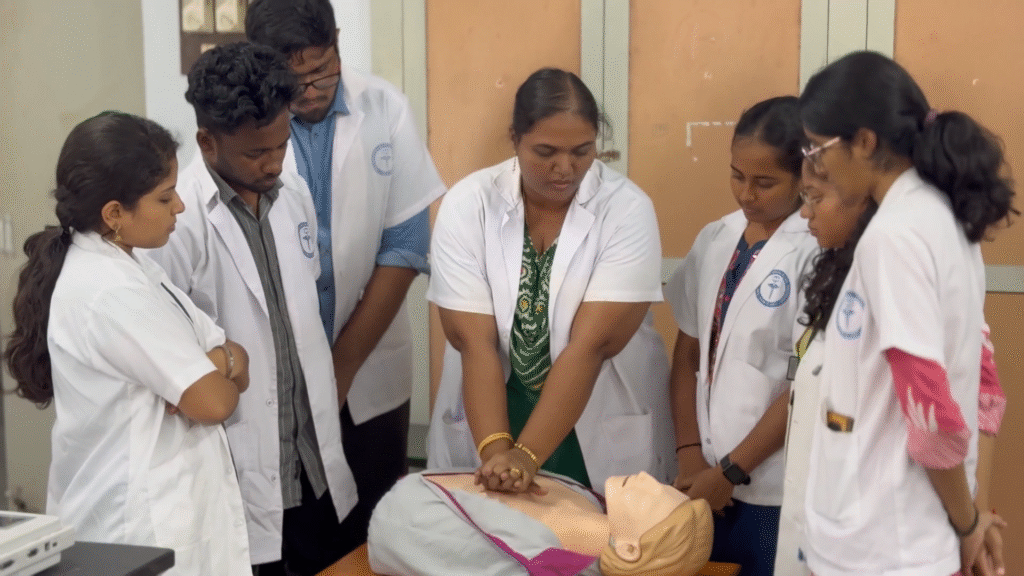
To ensure that the students develop their academic skills our department takes different initiatives throughout the year. We have conducted an interesting Self-directed learning (SDL) session in teaching Basic Life Support(BLS). The students in small groups made their own mannequins and learnt the skill of BLS by hands on training.
- Apart from regular interactive and inspiring lectures by the faculty, the students are also taught by many new, innovative and interesting methods such as SDL, ECE, Simulation based learning, Computer assisted learning, Small group tutorials, Peer teaching, Guest lectures by clinical faculty, etc.
- In the lock down period due to COVID pandemic the academic sessions were continued through online medias such as Google classroom, Google meet, Zoom, Quiz through Kahoot, Google form quiz, video lectures, etc.
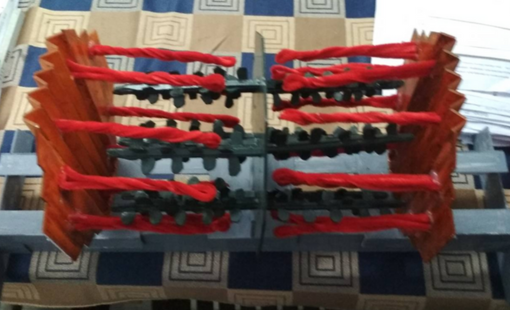
Sarcomere models made by students
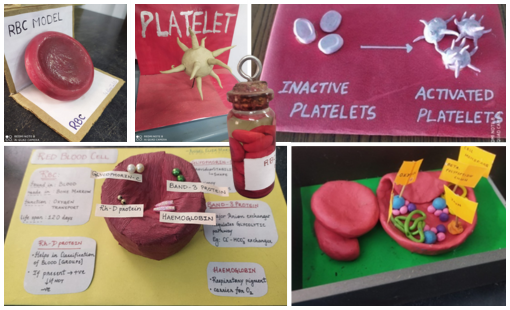
Blood cell models made by students
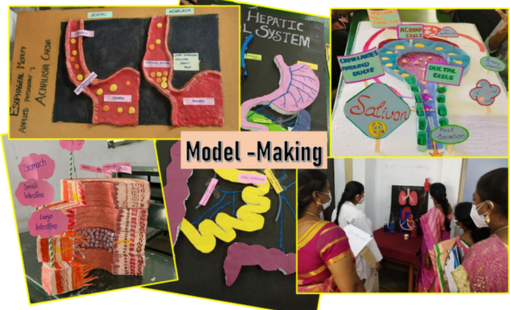
Creative anatomy models crafted by students to enhance learning.
“Creativity is… seeing something that doesn’t exist already. You need to find out how you can bring it into being and that way be a playmate with God.” – Michele Shea
Active learning allows individuals to organize facts and opinions through debate and discussion and promotes longer-term retention and critical thinking. Passive learning in a lecture setting allows individuals or groups of individuals to acquire facts with considerable efficiency, at least in the short-term.
The importance of fostering student creativity in higher education has been widely recognized, to prepare young people for the uncertainty and complexity of the world. Despite this recognition, the encouragement of creativity in higher education has been a challenge for faculty.
We in the department of Physiology constantly explore ways to introduce and teach Physiology to students in ways which they understand, enjoy and start liking the subject.
We would like to share some of our activities for I MBBS students in the past year. Apart from our interesting and interactive lectures, students learnt Physiology concepts through various activities like Quiz, Rangoli competitions, Drawing competitions, Meme making, Photography, Skits, Model making, Dumb charades, etc.
Teaching…. Learning…… with a healthy dose of competition.
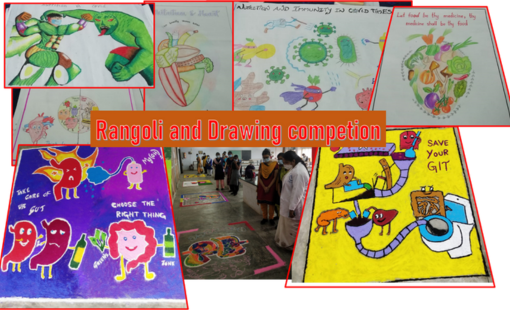
Students raise awareness through creative rangoli and drawings.
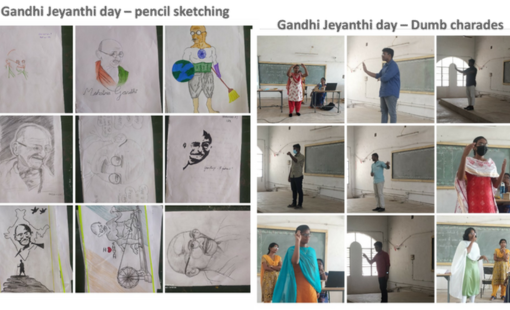
Remembering the Mahatma with sketches and spirited performances.
“ There is no doubt that creativity is the most important hman resource of all. Without creativity, there would be no progress and we would be forever repeating the same patterns.” – Edward De Bono